


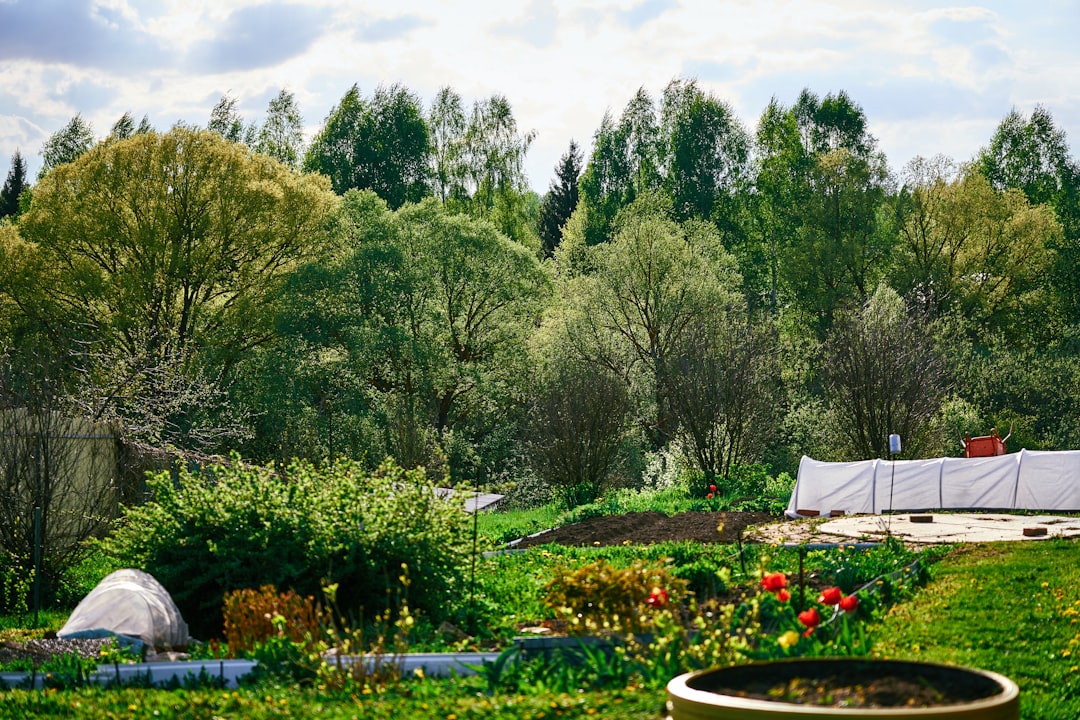
There is something satisfying about stepping outside, picking a handful of fresh herbs and bringing them straight to the chopping board. A kitchen garden makes that everyday pleasure possible while adding colour, texture and purpose to your outdoor space.
It does not need to be a large vegetable plot hidden behind the shed. A few well-positioned containers, a compact raised bed or a sunny border can provide a useful starting point. The aim is to create somewhere that suits your home, gives plants the conditions they need and produces food you enjoy cooking.
Whether you have a spacious garden or a small urban terrace, thoughtful planning can help you balance growing space with somewhere pleasant to spend time.
Start with intention, not just seeds
Before buying seeds or digging beds, think about what you want your kitchen garden to provide. Perhaps you would like fresh herbs close to the kitchen, salad leaves for regular lunches or enough space to experiment with a few seasonal vegetables.
Start with crops your household already eats. A small collection of useful plants is easier to manage than an ambitious selection that needs more attention than you can give it.
Next, observe the space. Notice where sunlight falls, which areas are exposed to wind and how easily you can reach a water supply. Check plant requirements before deciding where each crop belongs: a sheltered, sunny position suitable for tomatoes may not be the best place for every leafy crop.
Access matters too. Herbs near the back door are easier to pick while cooking, while beds need enough surrounding space for watering, weeding and harvesting.
Set a realistic budget that includes compost, supports, watering equipment and plants alongside the containers or beds. Starting small gives you time to learn what works before expanding.
Design principles that make a kitchen garden beautiful
The most appealing kitchen gardens have a clear structure without feeling overcrowded. Defined beds, accessible paths and a consistent choice of materials can bring order to a mixture of edible plants.
Raised beds can help organise the layout and provide a growing area filled with suitable soil. However, they are an option rather than a requirement. Existing ground-level beds can work well where the soil and drainage suit your chosen crops.
Keep growing areas narrow enough to reach comfortably without stepping onto the soil. Position taller plants and climbing supports carefully so they do not unnecessarily shade smaller crops.
Paths should be stable, easy to maintain and wide enough for the way you use the garden. Gravel or stepping stones may suit some spaces, while a firmer surface may be more practical where accessibility is a priority.
For visual continuity, repeat a few materials or colours already used around the house. Matching planter finishes, simple edging or repeated herb pots can connect the growing area with a patio or seating space.
Leave some breathing room. Plants need space to develop, and an uncluttered layout makes everyday maintenance easier.
Choosing containers that do the heavy lifting
Containers make it possible to grow food on patios, beside doorways and in spaces where digging is impractical. They also allow individual plants to be positioned according to their needs.
Choose the container around the crop. Check its depth, capacity and drainage rather than selecting it only for appearance. A pot suitable for a small herb may not provide enough root space for a larger vegetable plant.
For a coordinated outdoor scheme, Fiberglass planters offer another material option to consider. Compare individual product specifications, including dimensions, drainage arrangements and outdoor care instructions, before choosing a model.
Remember that a container becomes considerably heavier once filled with compost and watered. Plan its position before planting, particularly if you expect to move it seasonally.
Group pots with similar watering requirements where practical. This makes care simpler and reduces the chance of treating every plant the same despite different needs.
For more ideas about making thoughtful use of materials and resources, explore Stokes’ sustainability coverage.
What to grow for maximum impact in the kitchen
A productive kitchen garden does not need dozens of varieties. Begin with a manageable selection that matches your space, growing conditions and cooking habits.
Herbs are a useful starting point. Rosemary, thyme and chives can earn their place through regular use, while basil benefits from warmth and shelter. Mint is often best kept in its own container to help control its spread.
Salad leaves can also suit smaller growing spaces. Choose varieties appropriate to the season and follow their sowing and harvesting instructions. Sowing smaller amounts at intervals can be more useful than producing everything at once.
If you have room for larger crops, consider climbing beans supported vertically or a courgette plant with adequate space around it. Check mature dimensions before planting: a small seedling can occupy much more room later in the season.
Tomatoes need a suitable variety and position. In cooler or exposed gardens, a greenhouse or other protected growing space may be worth considering.
Avoid filling every available gap immediately. Space for access, plant growth and replacement crops will make the garden easier to manage as the season develops.
Connecting your garden to the way you actually eat
The most useful kitchen garden reflects the meals you make regularly. There is little reason to dedicate a large bed to a vegetable nobody in the household enjoys.
Think through a typical week. If you often cook pasta, herbs and tomatoes may be priorities. If salads are a regular lunch, leafy crops and chives could be more useful. A household that enjoys roast vegetables may prefer a different selection entirely.
Keep a short record of what you harvest and use. At the end of the season, it will be easier to see which crops deserved their space and which produced more than you needed.
Plan for gluts as well. Growing several plants of the same crop can lead to a concentrated harvest. Sharing produce, choosing suitable storage methods or planting fewer next time can help prevent waste.
The garden should support everyday cooking rather than create pressure to use unfamiliar ingredients. A small harvest that regularly reaches the table is a worthwhile result.
Your kitchen garden is ready to grow with you
A useful kitchen garden develops over time. Your first season may show that one corner receives less light than expected, a container needs more frequent watering or a particular herb is used far more than anything else.
Treat those observations as guidance for the next planting season. Move containers where practical, adjust crop choices and expand only when the existing space feels manageable.
You do not need to begin in May or complete the entire garden at once. Choose tasks and crops appropriate to the season, and use quieter months to plan beds, check materials and prepare for future planting.
For inspiration on containers, materials and outdoor design, visit mysteel.ie and compare options that suit your space.
With a clear layout and a few well-chosen crops, your kitchen garden can become a practical part of the home—somewhere to grow, cook from and enjoy throughout the changing seasons.
