


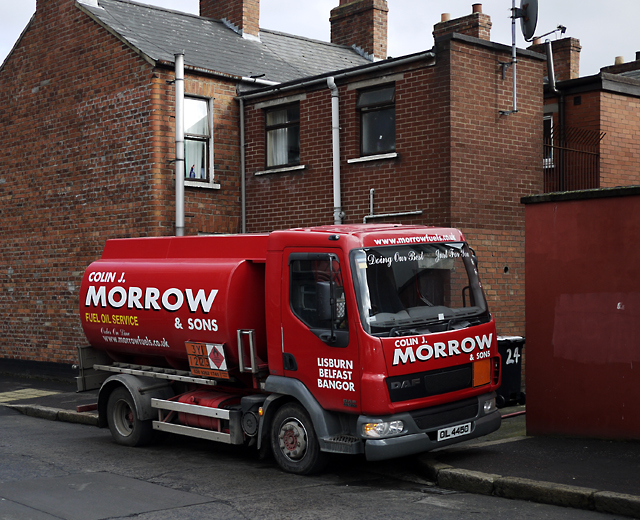
Ireland’s home heating oil market is showing signs of changing purchasing patterns, with kerosene clearances falling by 11% during the first nine months of 2026 compared with the same period last year.
Figures published by the Central Statistics Office (CSO) on 25 November reveal that kerosene clearances declined by 67 million litres between January and September.
The latest figures come as Irish households prepare for winter and continue to face higher energy costs, particularly in areas where oil remains the primary source of domestic heating.
Home Heating Oil Clearances Reach Lowest September Level Since 2014
The CSO reported that September’s kerosene clearance volume was the lowest recorded for that month since 2014.
Across the twelve months ending September 2026, clearances were 4.3% lower than during the preceding twelve-month period.
Fuel excise clearances measure quantities released from bonded warehouses and provide an indirect indication of sales rather than a direct measurement of household consumption.
Changes in purchasing behaviour, fuel prices, weather conditions and the timing of deliveries can all influence these figures.
Consequently, the decline does not necessarily indicate that Irish households have reduced their heating requirements by the same amount.
Heating Oil Remains Ireland’s Leading Domestic Heating Fuel
Despite the decline in kerosene clearances, heating oil remains an important part of Ireland’s residential energy system.
Separate CSO Building Energy Rating (BER) statistics, highlighted again in the November Housing Hub update, show the following distribution among rated properties:
| Main heating fuel | Share of BER-rated homes |
|---|---|
| Heating oil | 34% |
| Mains gas | 33% |
| Electricity | 26% |
| Other sources | 7% |
These percentages relate to properties with recorded energy assessments rather than every dwelling in Ireland.
Regional differences remain particularly significant. Oil heating accounts for 66% of rated properties in the Border region and 60% in the West, while natural gas is more common in Dublin.
For households outside established gas networks, transitioning to alternative heating systems may involve substantial changes to existing domestic infrastructure.
Higher Heating Oil Prices Add Pressure to Household Budgets
Earlier CSO figures showed that the price index for home heating oil increased by 58.6% in September 2026 compared with September 2025.
This annual increase highlights the financial challenges facing households that depend on oil during colder months.
Unlike households paying regular monthly utility bills, many oil users purchase fuel in larger quantities, which can create significant upfront expenditure.
The timing of deliveries and the amount purchased can therefore influence household budgeting.
However, the September price figures should not be interpreted as current November supplier prices. Actual costs vary according to market conditions, location, supplier and order volume.
Newer Irish Homes Are Moving Towards Electric Heating
The heating systems installed in recently constructed properties differ considerably from those found in older buildings.
CSO energy rating statistics show that electricity was the primary heating source in 86% of assessed dwellings constructed between 2020 and 2024.
Among rated properties completed since the beginning of 2025, that proportion reached 95%.
These figures illustrate how newer residential developments are adopting different energy technologies from the older housing stock.
For existing homeowners, however, replacing an oil heating system requires consideration of installation costs, insulation, property suitability and long-term running expenses.
Our previous coverage of Ireland’s boiler scrappage support and home energy grants examines measures announced to help households improve domestic energy efficiency.
Renewable Energy Installations Continue to Expand
By the end of the third quarter of 2026, 28% of BER-rated properties had recorded solar energy installations, space-heating heat pumps or a combination of both.
The corresponding proportion was 25% in 2025 and 22% in 2024.
While these figures demonstrate progress in renewable energy adoption, they also highlight the scale of the remaining transition.
Older properties may require insulation improvements or changes to existing heating infrastructure before alternative systems can operate effectively.
Households looking to reduce unnecessary heat loss can also explore our guide to keeping homes warm without turning up the heating.
Improving energy efficiency can remain valuable regardless of the primary heating fuel used within a property.
What the Latest Figures Mean for Irish Households This Winter
The November fuel statistics provide an indication of changing energy purchasing patterns across Ireland, while the building energy data reveals longer-term differences between older and newer homes.
Oil heating continues to play a substantial role in residential energy provision, even as newer properties increasingly depend on electricity.
For homeowners, decisions about heating systems will continue to involve balancing affordability, energy efficiency and installation costs.
The latest decline in kerosene clearances cannot establish whether higher prices, weather conditions or changes in heating technology were individually responsible.
Further statistics covering the winter months will provide a clearer picture of how Ireland’s residential fuel market is developing.
Source: Central Statistics Office, Fuel Excise Clearances September 2026, published 25 November 2026; Domestic Building Energy Ratings Q3 2026; Focus on Fuel and Home Heating Costs September 2026.
